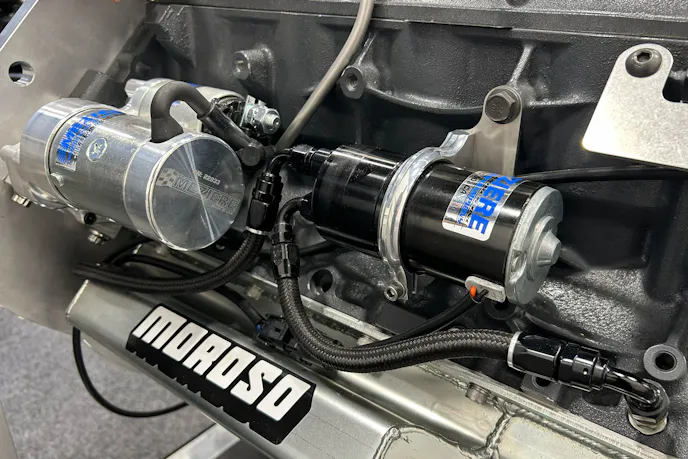
A lubricated engine is a happy engine. Getting oil to all the critical components before you fire up an engine is essential, and installing an oil priming system is the best way to get lubrication flowing throughout the engine before it’s started.
An oil priming system is used to pressurize the oiling system of an engine. It pushes oil throughout the engine via a pump to ensure everything is coated before the engine is fired. The pump simply needs to be plumbed into the engine’s pressure galley and the oil pan, it’s that easy.
Don Meziere of Meziere Enterprises explains the benefits of adding an oil priming system to an engine.
“Nearly every engine builder, and especially those who build high-performance engines, will agree that a significant amount of engine wear occurs at startup. Race engines tend toward the high end of performance, obviously, and what it takes to make that performance is higher pressures inherent to the valvetrain, camshaft, crank bearings, and just about every component which the oiling system serves. The oil prime pump pays off in terms of preventing that wear. Pre-oiling the engine saves internal parts and bearing surfaces.”
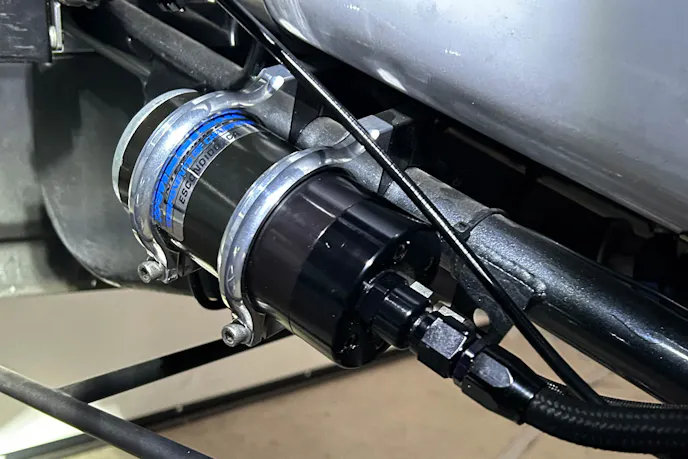
Meziere, a racer himself, has watched teams at the track struggle to prime their engines with oil. Some teams would pull the dry sump pump belt off and prime the system with a drill. While this works, if a team gets distracted and forgets to put the belt back on, the results can be catastrophic for the engine.
The team at Meziere had already been working on other projects in the oil-pumping arena and saw an opportunity to develop a product that would help racers prime their engines with oil. The goal was to develop an oil prime pump that would fight startup friction and help increase the longevity of a high-performance engine.
“We knew it needed to be compact, lightweight, and reliable. The absolute flow numbers did not have to be too high, but the pump needed to provide a decent amount of pressure to truly lubricate valvetrain parts under extreme spring-pressure loads. Internal filtering is provided on the inlet side of the pump, because this particular type of positive-displacement pump is susceptible to debris, which can close up close tolerance gaps. The priming kits are put together as a complete solution, as far as possible, with mounting and plumbing needs addressed,” Meziere explains.
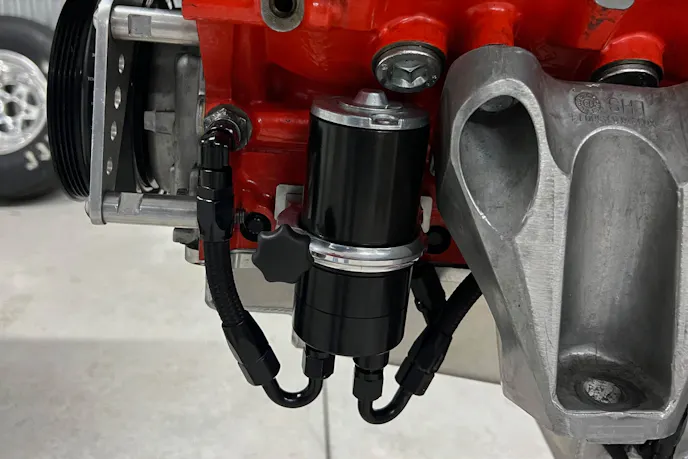
Now, some racers will crank an engine over to build oil pressure. This is not only hard on the starter, but it also runs the engine’s internal parts against each other without a proper coating of oil. An oil priming system eliminates that issue.
Meziere says there’s no need to worry about an oil priming system interfering with the engine’s normal oil flow:
“At the point of installation, the customer usually comes across the fact that we are introducing an alternate path of oil flow into the pressurized passages. Because the pressure is coming from our external pump, and that pump is only on momentarily before cranking the engine, the customers commonly ask if there is any need to put in a one-way valve or check valve. They question whether the engine’s main pump will somehow backfeed our electric pump. The answer is no. There’s no need to put in a one-way valve because this type of pump cannot be forced to go backwards, and the clearances which can leak are so small as to be insignificant.”
An oil priming system is the best way to lubricate your engine before you put fire in the pipes. It will send oil to all of the engine’s important surfaces, increase its longevity, and cut down on trips to the engine shop for maintenance.
You might also like
Larry Wright's Low-Deck Plymouth Satellite Delivers High-Impact Performance
Larry Wright took this 1966 Satellite from a basket case to a total stunner. This Plymouth is rocking some serious big-block Mopar power.