
Torque converters are magical mechanical devices that have an immense impact on how a vehicle performs at the track. When a vehicle struggles to hit a performance goal, you’ll often hear people say the torque converter is “too loose” or “too tight.” If you’re not sure what that means, fear not, we’re going to break down the topic and explain how it impacts vehicle performance.
Torque Converter 101
Before we dive into the torque-converter performance pool, it’s important to establish a basic understanding of how these devices work. A torque converter transfers power from the engine to the transmission to move the vehicle. This is accomplished through fluid dynamics generated inside the converter as it spins, multiplying torque to get the vehicle moving.
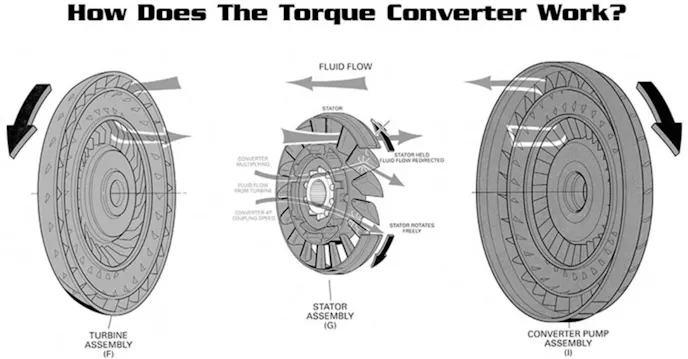
As the converter spins, the stator plays a key role in directing transmission fluid where it needs to go. Rather than allowing the fluid to flow randomly, the stator redirects and accelerates it toward the inner fins of the turbine. That redirection is what allows a certain stall speed to be achieved.
The turbine is the working half of the converter that’s mechanically tied to the transmission’s input shaft. When fluid energy coming off the stator strikes the turbine fins, it causes the turbine to rotate. As turbine speed increases, it turns the input shaft, engages the transmission’s geartrain, and begins delivering power through the driveshaft and rearend.
Loose Torque Converters
There are numerous schools of thought when it comes to torque-converter design, and some builders prefer to err on the loose side since that reduces how sensitive a combination is to major weather changes. While that approach can work, there’s a point where a converter becomes too loose and begins to negatively impact performance.
JC Beattie Jr. from ATI Performance Products adds further insight into identifying a loose converter.
“If you’re having issues cutting a good light on a pro-style tree, or if you have to leave at a strange spot on the bottom bulb, that’s an indication the converter is too loose,” Beattie explains. “Your 60-foot time is another indicator. A loose converter might give you a good 60-foot, but not get you to the other end of the track as quick as you’d like. If you’re seeing very little rpm drop during the gear change, that’s happening because the converter is loose and it’s not pulling the engine back with the gear ratio it just shifted into.”
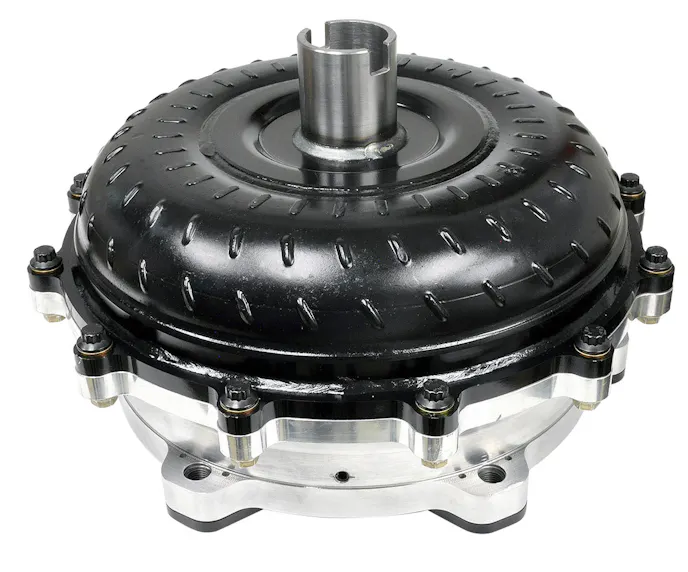
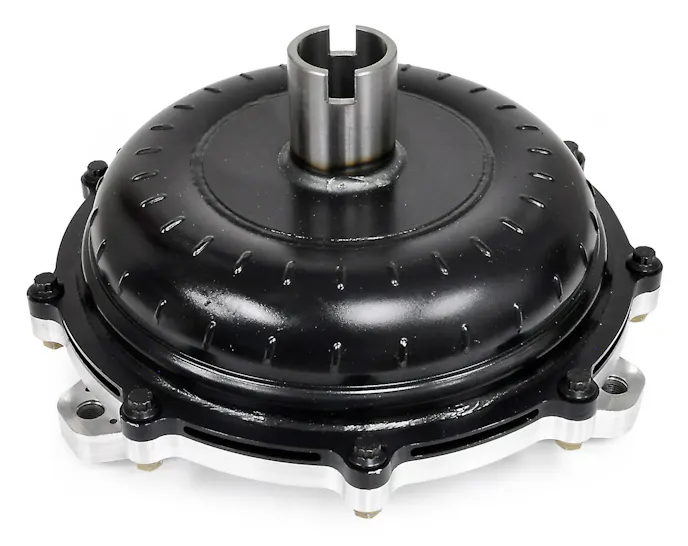
A loose converter can make it easier for a vehicle to launch and produce a strong 60-foot time. However, it also causes the engine to waste horsepower as the vehicle travels down the track. There’s one key symptom that signals the converter has crossed into the “too loose” category: a very small RPM drop during the gear change, typically in the 200–400 RPM range. You’ll also see a higher percentage of slip at the finish line, along with more transmission temperature. You can calculate the slipage percentage through data logging. This is done by logging the engine RPM and input shaft RPM, then subtracting the input shaft speed from the engine speed to see what the actual RPM slip is. You can also use the formula method if you don’t have any sensors. That can be done via the Wallace Racing website right here.
Tight Torque Converters
High-horsepower combinations generally prefer a tighter torque converter, but there’s a point where going too tight becomes a problem. An overly tight converter makes it difficult for the engine to reach its ideal RPMrange, pulling it down below where it makes peak power, and making it hard to leave the starting line.
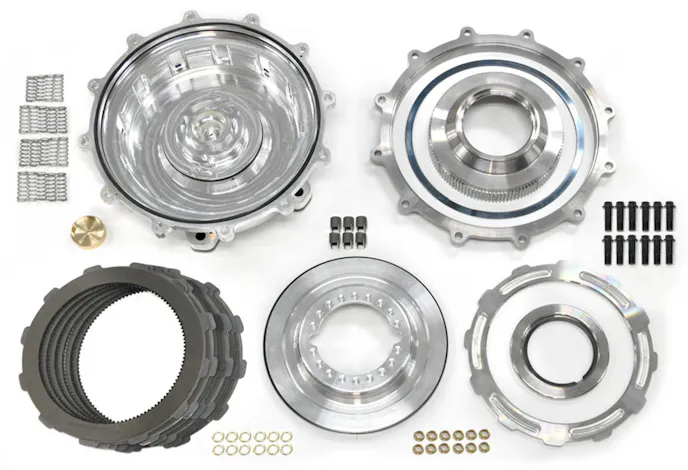
“A dead giveaway that a converter is too tight is the vehicle pushing hard through the brakes at idle,” Beattie says. “Another sign is that you can cut a good light, but the car spins the tires consistently or is slow in 60. With a Powerglide, you’ll see a big rpm drop during the gear change, 1,200 RPM or more, because the converter is too tight to keep the engine in the rpm range it needs.”
Adjusting A Converter
When a converter is properly designed for a given combination, it will fall somewhere between loose and tight. The camshaft, engine powerband, intended vehicle use, and the type of power-adder—if any—all need to be factored into how the converter is built.
Even then, a converter can be slightly off and may need adjustment to be fully optimized. Fortunately, the adjustment process is fairly straightforward, and there are several ways to fine-tune a converter. The company making the changes will need information such as shift rpm, rpm drop during shifts, elapsed times, trap speed, and how the vehicle behaves during a run.
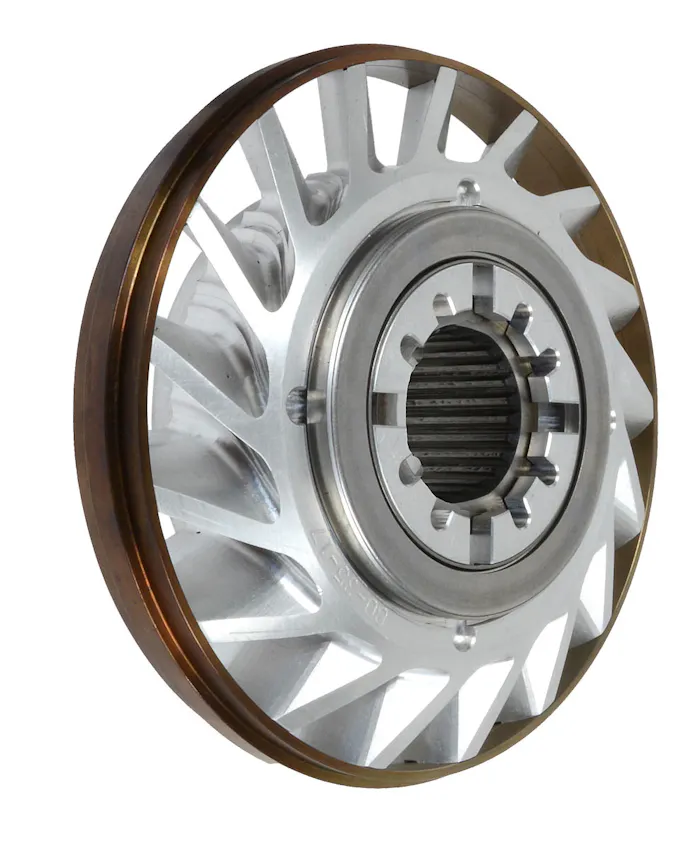
The stator is the brain of the torque converter and plays the biggest role in how it behaves. Adjusting the stator can either loosen or tighten the converter to better suit the combination.
“The fluid runs in a circle inside the converter, and when it’s returning between the turbine and the pump, it’s interrupted by the stator,” Beattie explains. “The amount of interruption affects stall speed and how loose or tight the converter is. A simple stator change, based on racer data, can move the converter into a better spot to keep the engine in its optimal powerband.”
In some cases, a converter may be very close to ideal and only need minor adjustment. Instead of removing the converter for internal changes, racers can use internal or external dump valves to manipulate how loose or tight the converter acts during a run.
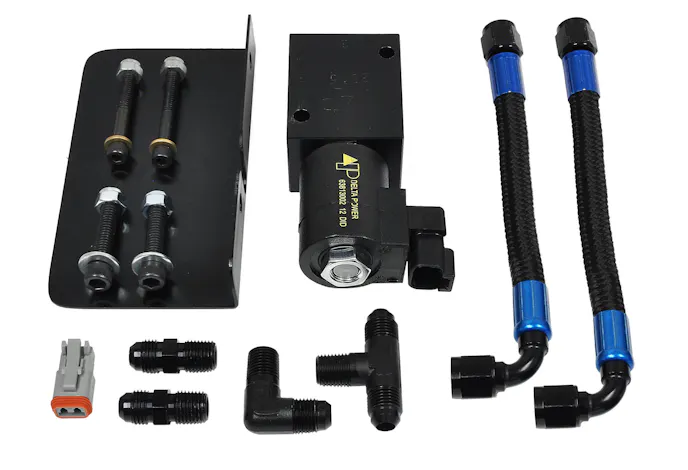
“An internal cooler pressure dump can be used to starve the converter of fluid and allow it to climb into the rpm range more easily,” Beattie says. “Turbo racers often use these to, “artificially”, loosen the converter on the starting line.
“Then you’ve got external cooler dumps. These reduce the amount of fluid pressure in the converter and lower overall pressure. That allows the converter to pull up or reach the shift quicker, then regain pressure as the engine makes power. It’s a tuning aid that works well for many combinations when you need to soften the leave and not get too much wheel speed.”
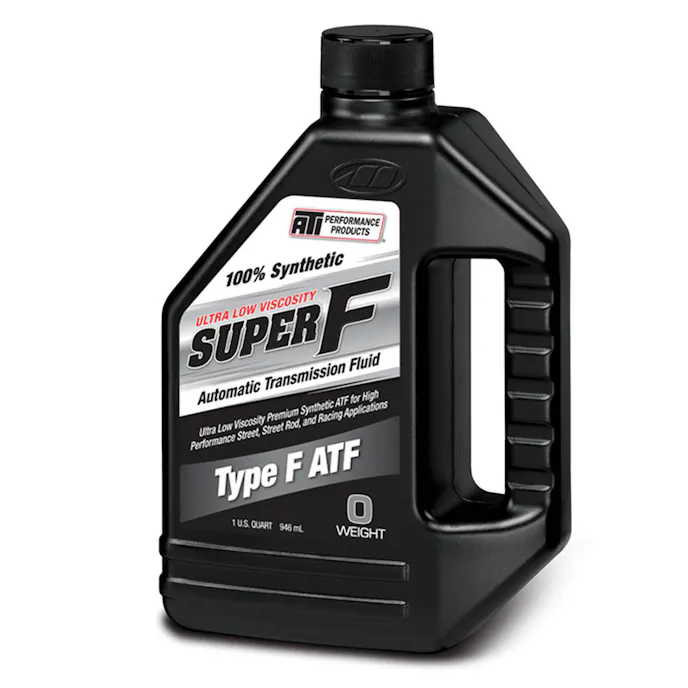
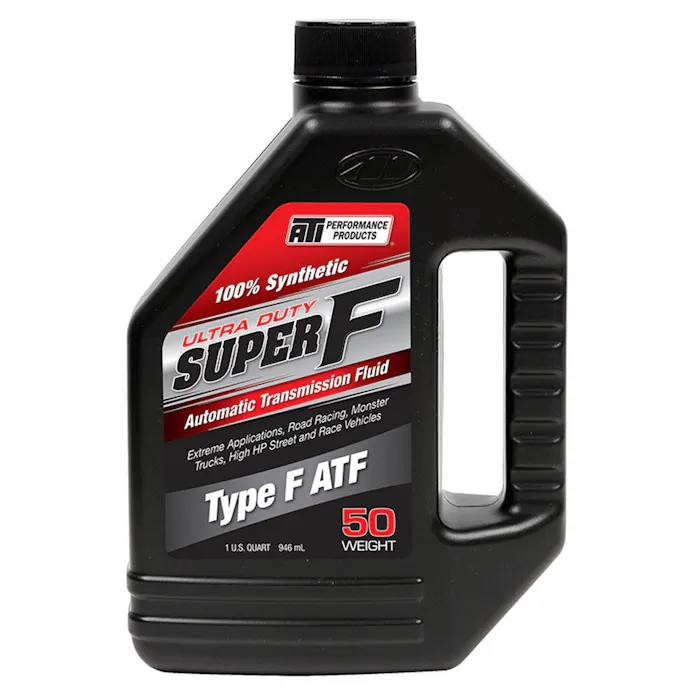
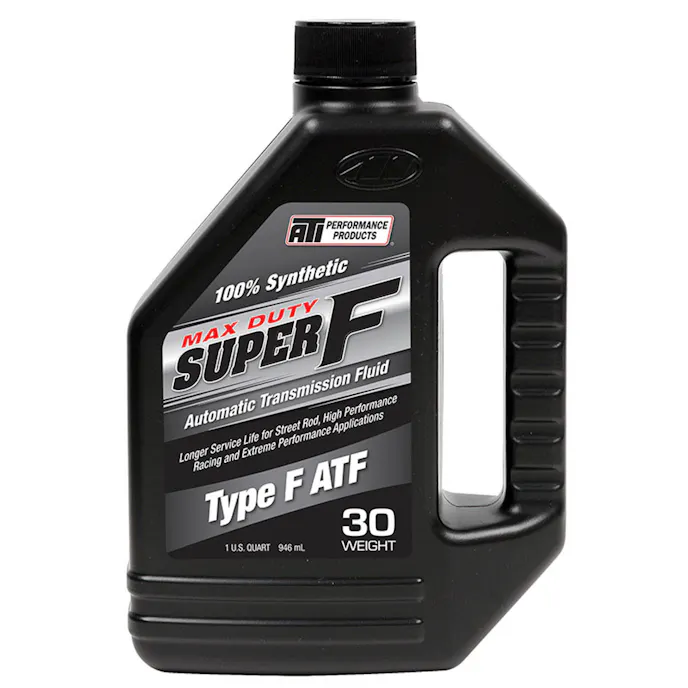
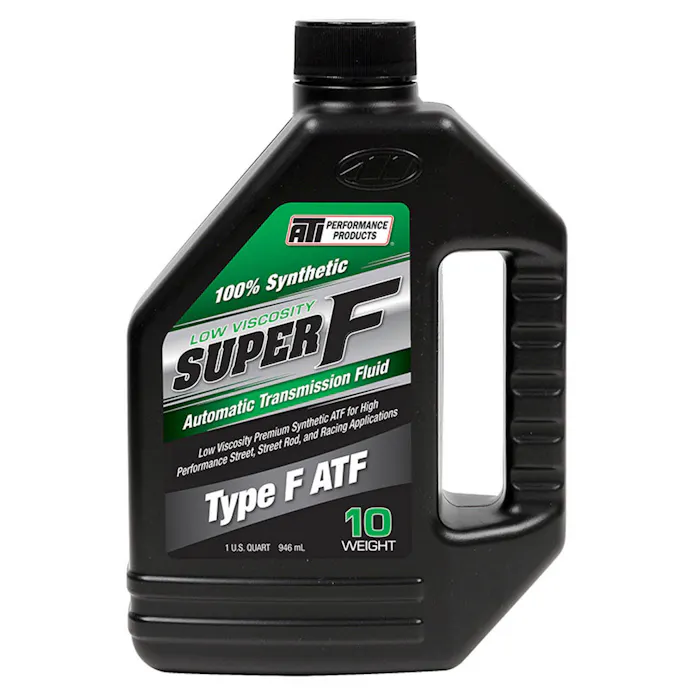
Another tuning tool is transmission fluid selection. Companies like ATI offer transmission fluids in viscosities ranging from 0- to 50-weight.
“You can use transmission fluid to loosen or tighten a converter, but you need to think carefully,” Beattie notes. “You want to run the thinnest fluid you can while still protecting the transmission. Thinner fluid will loosen the converter, while thicker fluid will tighten it. With the wide range of viscosities available, fluid has become a nice tuning aid”
If a torque converter is too loose or too tight, it will negatively impact overall performance. With the knowledge to diagnose these conditions, racers can work with their converter manufacturer to make the necessary adjustments and get their combination performing at its best.
You might also like
Right Trailers Series Brings Street Outlaws To zMAX
The Right Trailers Outlaw Street Series officially debuts at zMAX Dragway. This crossover brings television racing icons to the NHRA stage.