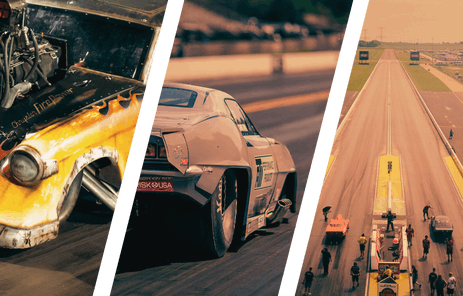
There’s a fairly lengthy list of maintenance items associated with any race car—that’s just part of the game. However, there is one part that might not be on the list for most racers, and it should be: the adjustable shocks under the vehicle. In this article, we’re going to cover shock maintenance and why it needs to be part of every racer’s program.
The level of competition in all forms of drag racing has been steadily increasing since the first two cars lined up against each other. It doesn’t matter what type of drag racing you do, racers have gotten better, and so has their equipment. That means every part of your program needs to be performing at its best, and that includes your shocks.
Signs It’s Time for Shock Maintenance
Shocks don’t come equipped with a warning light that tells you it’s time for a refresh, nor is there a preset mileage interval to track. So, if you don’t send your shocks out on a regular basis, how do you know it’s time for them to get a spa day?
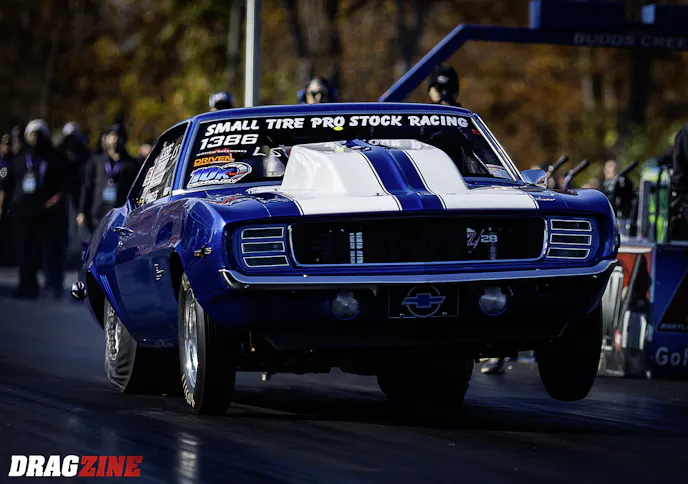
According to AFCO’s Eric Saffell, one of the biggest signs your shocks are experiencing wear is inconsistent reaction times.
“If your lights are not what they once were, that could be a sign the shocks are getting tired. The car might feel lazy, slow, or just erratic. You’ll see this when you let go of the button in the same spot, and all of a sudden, you’re going red, or you’re just dead late. This is due to the shocks not reacting the same because they need to be freshened up.”
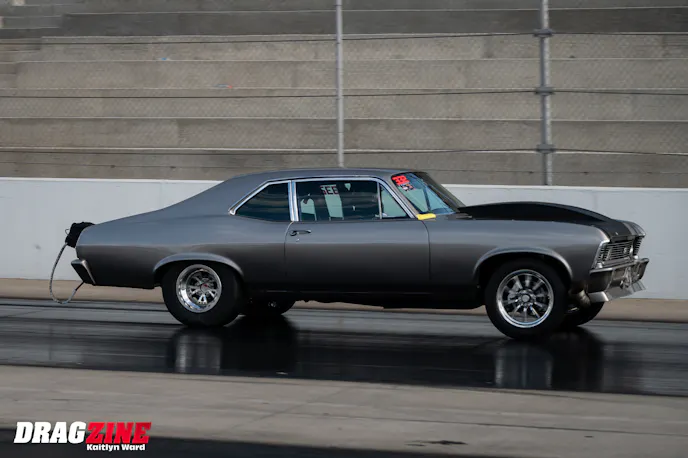
Another sign your shocks need to be looked at is how the car drives down the track. If the bushings inside the shock are worn and no longer the correct shape, the car may wander left or right during a pass. This happens because the shock shaft can no longer move as smoothly as it once did, causing one corner of the car to hang up and negatively affect weight transfer.
High-horsepower cars that produce blistering elapsed times and big speeds will show shock maintenance issues differently. It’s important to recognize the signs so you’re not chasing ghosts and making unnecessary changes.

“On these big-horsepower cars, a shock that’s not performing will generate tire shake. This is because the shock is having control issues and can’t do its job due to wear. The shock goes into high-speed movement, and the tire won’t stay planted,” Saffell says.
Drag-and-drive competitors also put their shocks through significant abuse. Not only are the shocks exposed to extreme conditions at the track, but they also absorb every bump, dip, and pothole during street driving. These shocks see countless cycles and substantial wear throughout an event.



“Racers in the drag-and-drive community need to treat their shocks like driveline components. They need to be sent in for maintenance before there’s a known problem. The reason is that you could end up chasing phantom issues while at an event, not even realizing it’s your shocks because they’re worn out,” Saffell explains.
Big wheel stands can also necessitate a shock inspection. When a vehicle violently comes down from a wheelstand, the shocks take the brunt of the impact. While everything may look fine externally, the internals could be damaged.
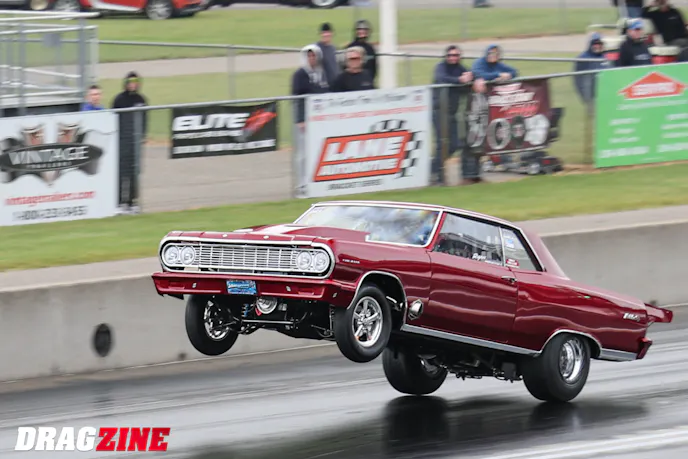
“Inside a shock, there are spring-steel shims that cover both sides of the piston. The extreme landing from a wheelie can cause an internal pressure spike that bends those shims. Now that shock won’t perform properly, and will cause performance issues. Even if everything looks okay after a big wheelstand, it’s a good idea to send your shocks in to be looked at just in case,” Saffell says.
Preventative Shock Maintenance Is a Thing
The oil and internal components inside a shock will degrade over time, you can’t stop that, but you can slow the process through preventative maintenance. Basic tasks like keeping the shock clean and preventing debris from entering the body are a great start. Other steps involve how the vehicle is transported.
Each time a shock compresses or extends, it counts as a cycle, so anything you can do to limit cycles is beneficial. Even the way you strap your car down in the trailer affects how many cycles the shocks see. Don’t believe it? On your next trip to the track, feel the shocks before unloading, there’s a good chance they’ll be warm from bouncing during towing.
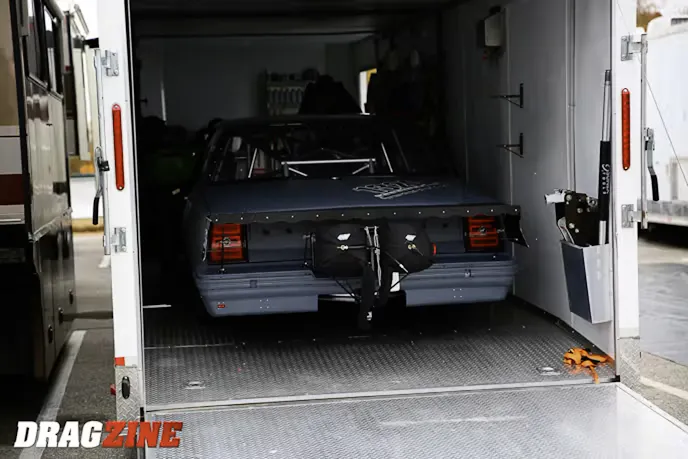
“Coming up with a way to pull the car down in the back to load the chassis will decrease the number of cycles the shock sees. You don’t want to bottom the shock out, but you want to put some tension on it so the shocks don’t cycle as much. For the front, you could put a block of wood under the chassis or use a chassis stabilizer to eliminate the movement the front end will see,” Saffell states.
Some racers even use a dedicated set of shocks strictly for towing. It’s the ultimate method to save your expensive race shocks from unnecessary wear, though it does add time to your race-day routine.
Getting Your Shocks Serviced
Modern adjustable shocks are refined components that will need to be serviced periodically. The oil inside will eventually break down and require replacement. The internal shims are consumable and have a defined lifespan. Shock seals also wear out and must be replaced.
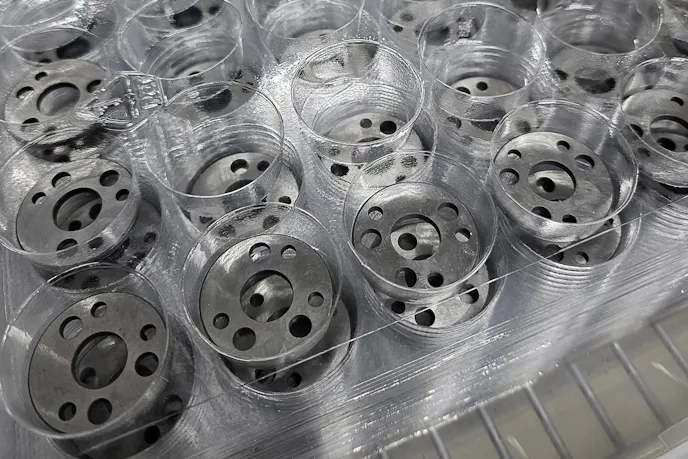
Each shock manufacturer has its own service process, so make sure you understand what’s required before sending your set in.
“At AFCO, you’ll need to give us a call before you send in your shocks. We’re going to talk with you about what the shocks need up front. The goal is to make sure they’re not only fresh, but if we need to make a valving change or something else, we can do that while the shocks are here. We also have authorized regional service centers you can send shocks to as well. This helps us make sure our turnaround times stay low,” Saffell says.
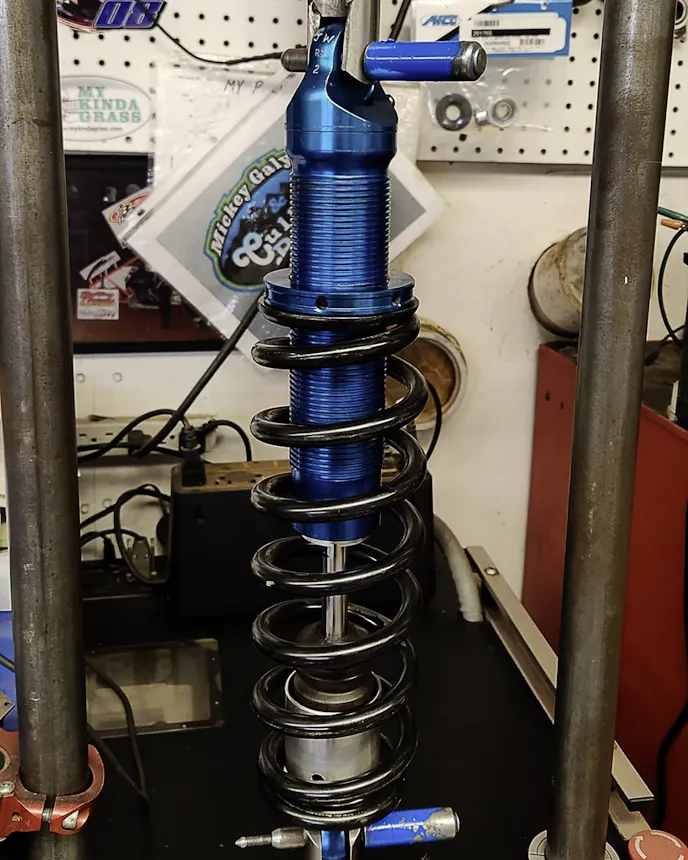
Some racers have the knowledge and tools to maintain their own shocks. AFCO offers maintenance kits for those who prefer hands-on control of their program.
“If you’re going to perform your own shock maintenance, we highly recommend you put the shocks on a shock dyno after you’re done. You need to be sure nothing has changed with the alignment of the shims and notches. If everything isn’t lined up correctly, it will change the shock and impact how it performs,” Saffell states.
Conclusion
Shocks shouldn’t be treated as a “bolt-on and forget it” component. If you’re serious about racing, your shocks need to have a dedicated place in your maintenance program and be inspected regularly. Happy shocks are consistent, and consistency is what will win a drag race at any level.
You might also like
Ohio's Shuttered Pacemakers Dragway Set For Residential Redevelopment
Pacemakers Dragway in Ohio could be redeveloped into mobile homes after officials recommended rezoning part of the historic racing facility.