Editor’s Note: The valuable research for this article was provided by Olivia “Liv” Harper
For most of my life around motorsports, accessibility wasn’t something I ever thought about. Then our executive partner, Olivia “Liv” Harper, came on board to anchor the business and media strategy behind The JP Emerson Show. Liv is Deaf and non-speaking. And let me tell you, watching her try to navigate a sport—and a media world—that is so completely built around sound? That changed things for me fast. It became personal.
Racing is loud. That’s the whole point, right? The engines, the track announcers, the driver interviews, podcasts, videos… everything is tied to what you can hear. But what happens when that sound just isn’t accessible to someone? That’s really the core question driving us to break down this industry barrier. Honestly, digging into the data has forced me to look at our entire sport through a completely different lens, and this isn’t just a lecture about doing the right thing, either. There is a massive, real audience sitting right in front of us.
According to data from Sports Innovation Lab, there are somewhere around 32 million sports fans in the United States living with a disability. Now, to be clear, that number is a broad estimate based on their research and Census data—it’s not a direct headcount of disabled drag-racing fans. But it points to a massive reality: millions of people with disabilities are already die-hard sports fans. And they have money to spend.
The same research found that sports fans with disabilities actually tend to express their fandom through direct spending way more than the general population—whether that’s buying gear from teams, supporting leagues, or purchasing licensed brands. There’s an even crazier number you should know. A study by the American Institutes for Research puts the U.S. disability consumer market at a massive $675 billion, with about $107 billion of that sitting in annual discretionary spending power.
Now, I’m not saying there’s $675 billion just sitting on the table waiting for NHRA teams, or that our sport is actively losing that exact cash. But it represents a massive, powerful population of consumers that absolutely deserves our attention. This represents a massive opportunity for racing media. We don’t need to change a single thing about what makes drag racing awesome. Nobody is saying we should make the cars quieter. We don’t have to tone down the noise, the speed, or the raw emotion of the track. We just need to give people more than one single way to experience it.
For us, the fix started with something as simple as transcripts. We originally started adding transcripts to our shows because Liv needed them to see what we were doing. But we realized pretty quickly that transcripts aren’t just for Deaf or hard-of-hearing fans. They’re great for anyone who just prefers reading, or wants to search an interview text, find a quick quote, or simply can’t listen to audio because they’re at work or on a noisy train. That’s the funny thing about accessibility. A lot of times, the feature you build to help one specific person ends up making the whole product better for everyone else, too.
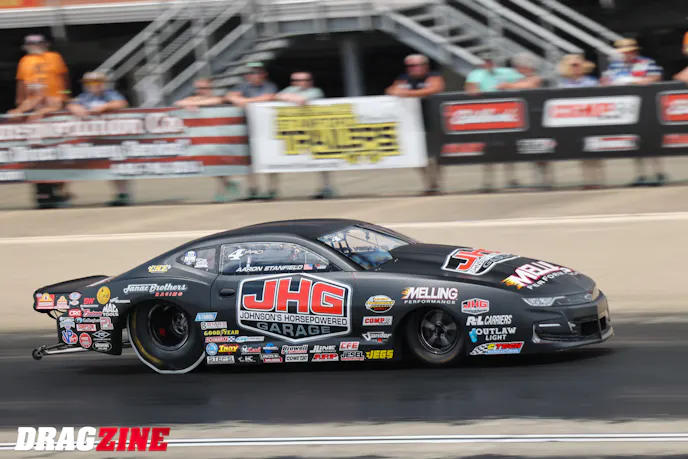
Other sports are already waking up to this. The NHL has put on American Sign Language broadcasts featuring Deaf commentators. FIFA expanded their accessibility services big time around the World Cup. Major tech companies are constantly building new ways for disabled fans to experience live games. Motorsports shouldn’t be scared to do the same. Actually, motorsports is probably the best-suited sport on earth to figure this out. Racing has always been about solving impossible problems under pressure. We modify cars on the fly, rethink chassis setups, build custom tech, and scratch and claw just to find another tenth of a second on the track. Why wouldn’t we bring that exact same engineering mindset to the media we produce?
Don’t get me wrong—I’m not saying drag racing completely ignores disabled fans. From accessible grandstand seating at premier NHRA tracks to specialized programs at local brackets, plenty of great people in motorsports are doing important work right now. But we can do more. We can caption our videos properly and provide transcripts. We can make track websites way easier to navigate. We can pass along critical information—like staging lane calls, rain delay updates, and schedule changes—via SMS alerts or digital boards rather than relying 100% on a PA speaker blowing in the wind down in the pits. And most importantly, we can actually ask disabled fans what they need—and then actually listen to their answers.
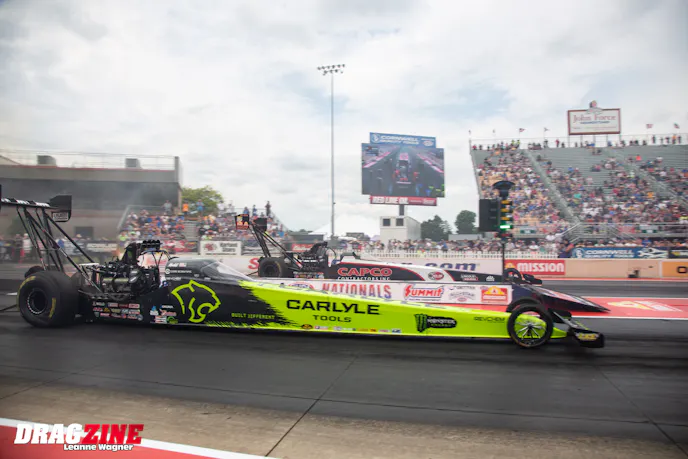
Look, I don’t think there are 32 million brand-new drag racing fans magically waiting outside the gates to be discovered tomorrow. The reality is much simpler. There are already people out there who love sports, and plenty of them already love racing. We just have to stop assuming that every single fan experiences this sport the exact same way we do.
The engines can stay loud. Top Fuel cars can keep shaking the dirt right out from under our feet, and announcers can keep screaming their lungs out. But when the sound isn’t accessible to a fan, the story shouldn’t just stop right there. That’s the audio wall.
And it’s about time we started building a door.
You might also like
Elite Motorsports Looks To Keep Its NHRA Pro Stock Winning Streak Alive In Texas
Elite Motorsports is chasing another Countdown win in Dallas. Here's how the team is approaching the NHRA FallNationals.