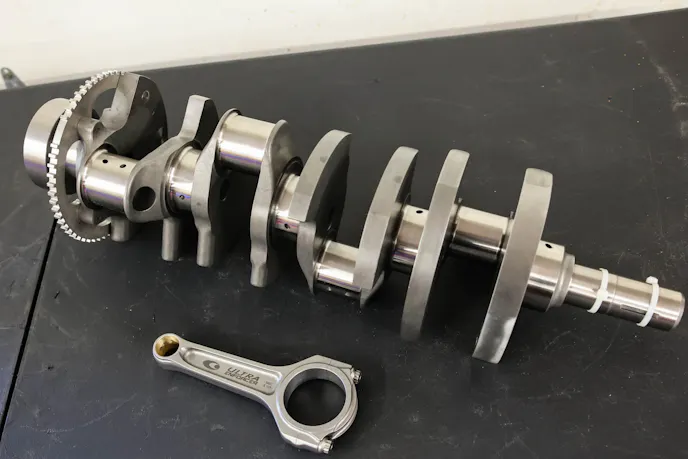
Adding boost to an engine is one of the quickest ways to make more horsepower, but it also dramatically increases the stress placed on the crankshaft and connecting rods. Any engine expected to survive elevated boost levels and four-digit horsepower numbers needs the right rotating assembly to deliver both performance and long-term reliability.
For Project Hustler, our 1952 Dodge Business Coupe, we’re installing a turbocharged Gen III HEMI from Blackbird Performance. We’ve already covered the Callies Helephant block that serves as the foundation for this engine. Now it’s time to examine what you need to know when selecting a crankshaft and connecting rods for a boosted engine, and why we chose the components going into our Gen III HEMI build.
Choosing The Right Connecting Rods For A Boosted Engine
Connecting rods live an incredibly difficult life inside any boosted engine. Every combustion event places tremendous compressive loads on the rods, making proper component selection critical for any high-horsepower build.
So, you should always invest in the best rods you can afford to avoid any issues. This becomes even more important when you’re building a boosted engine that’s going to make over 1,000 horsepower to the tires.
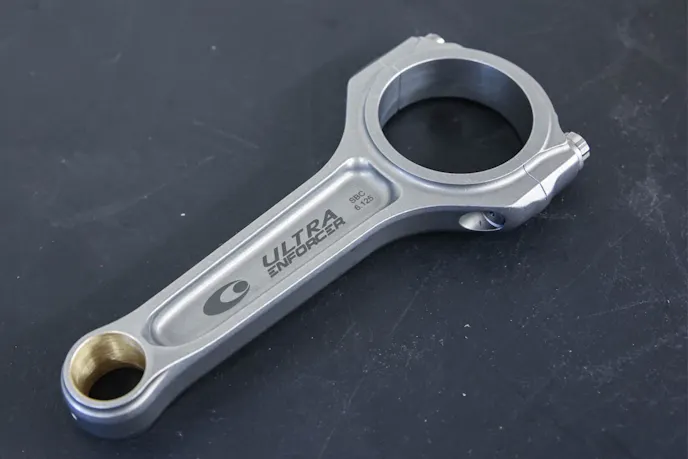
When we began planning Project Hustler’s turbocharged engine with Blackbird Performance, our goal was to produce at least 1,500 horsepower. According to Brook Piper of Callies, establishing a realistic horsepower goal is the first step in choosing the correct connecting rods.
“One of the first questions we ask a customer is, ‘What is your end goal for this engine?’ That really helps us start the process and make sure we’re going down the right path. You have to plan and be realistic with your goals. There are really expensive parts when you build an engine, and crankshafts and rods are right in the top five. If you can spend a little more money now and get the longevity and the advantages, that’s why we’ll push you toward the best rod you can afford.”
If you anticipate increasing boost in the future, it pays to invest in connecting rods that can support those future horsepower goals. Spending more today can save you from catastrophic engine failure, or rebuilding the entire short-block later.
I-Beam Vs. H-Beam Connecting Rods
High-performance connecting rods are generally available in I-beam and H-beam configurations. While both designs have their strengths, one is better suited for serious boosted applications.
An H-beam rod gets its name from its cross-sectional shape, which resembles the letter “H.” These rods are typically lighter than I-beam rods, but they aren’t as well suited for the extreme cylinder pressures found in high-horsepower boosted combinations.
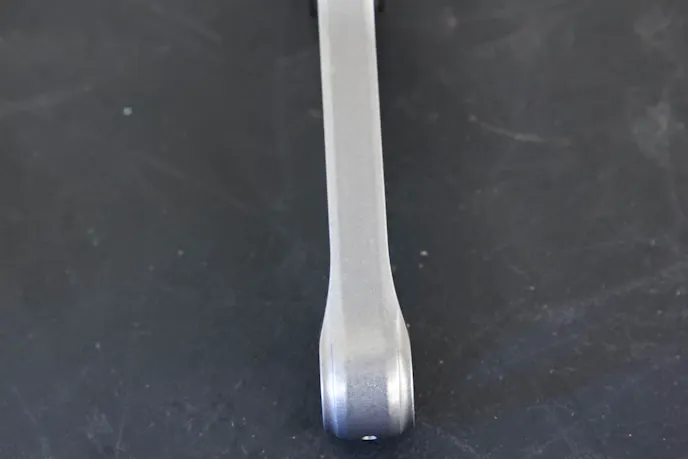
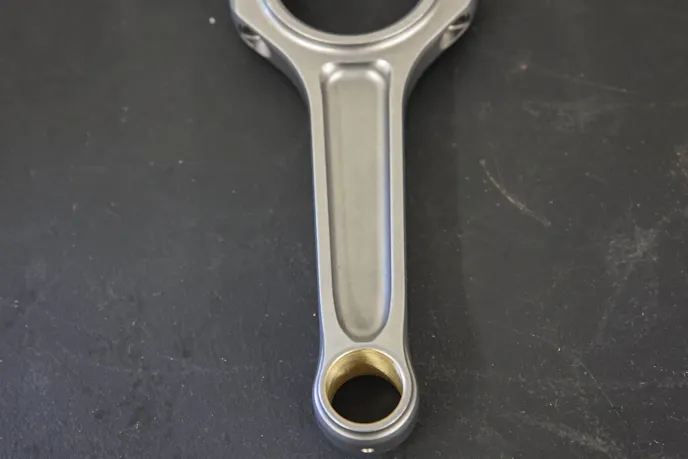
An I-beam rod, on the other hand, features a thicker central spine that provides greater rigidity. That added stiffness makes it much better equipped to withstand the tremendous compressive forces created by turbocharged or supercharged engines.
“When an H-beam rod is exposed to elevated levels of boost, it can collapse on itself. The I-beam doesn’t necessarily have that problem since it has a stiffer spine, if you will,” Piper explains. “The Ultra Enforcer rods that are going into Project Hustler’s Gen III HEMI have a taper with a great blend into the rod that adds more strength. That’s what makes an I-beam ideal for a high-horsepower boosted application, that additional strength through the transition from the wrist pin down the rod.”
Why Rod Material Matters
Even the best rod design won’t survive if it’s made from inferior material.
Most premium connecting rods begin with 4340 forged steel, but the base material is only part of the equation. Heat treatment, stress relieving, machining, and manufacturing specifications separate premium rods from average ones.
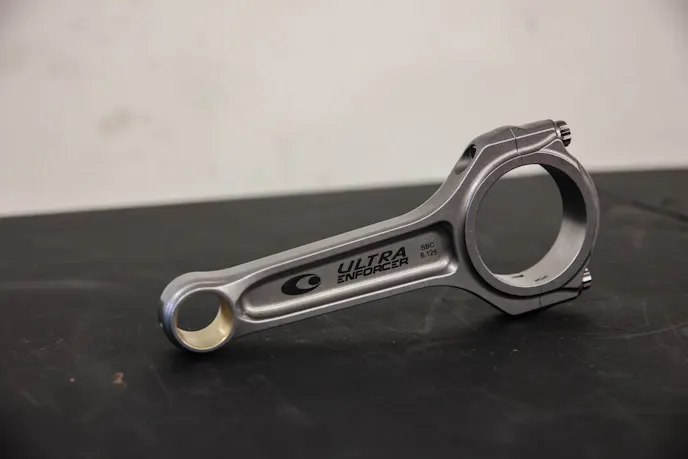
“Forged rods are strong, and most use the same base alloy, but the performance difference comes from the heat treating, stress relieving, and manufacturer specifications that make a great rod. Since forged rods begin as actual forgings, that also helps make them stronger because the forging compresses and aligns the grain structure of the steel,” Piper explains.
Forged connecting rods offer higher density, fewer internal stress points, and greater fatigue resistance than rods machined from another material. Those characteristics become especially important as cylinder pressure climbs in a boosted engine.
Selecting A Crankshaft For A Boosted Engine
The crankshaft is the backbone of the rotating assembly, and in a boosted engine it absorbs tremendous cylinder pressure and combustion forces while spinning at thousands of RPM.
Just like connecting rods, crankshaft selection begins with your horsepower goals. Choosing a crankshaft that simply seems “good enough” can become an expensive mistake later.
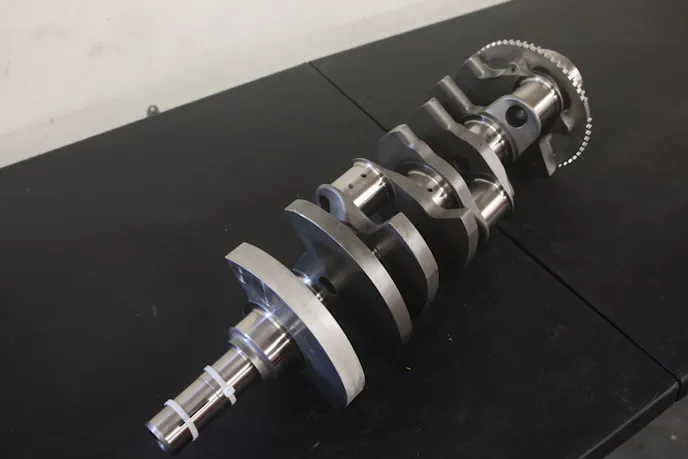
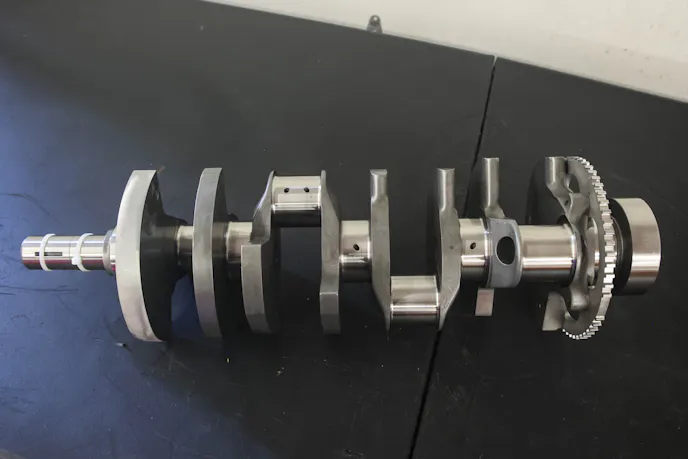
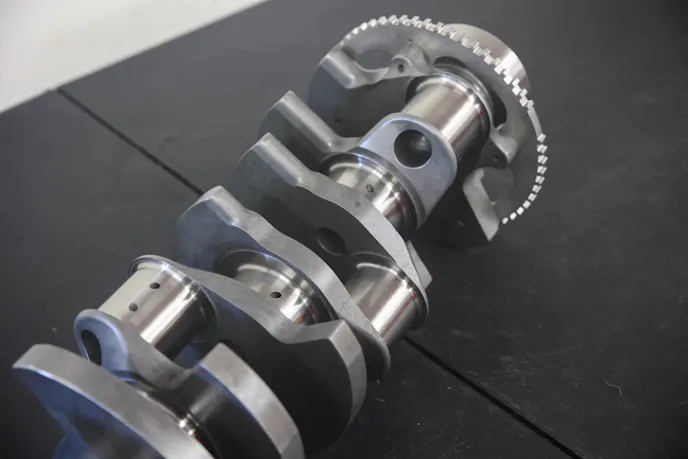
Unlike connecting rods, crankshafts aren’t categorized by beam design. Instead, the important considerations include:
- Material
- Counterweight design
- Overall machining quality
- Manufacturing process
All of these factors determine whether a crankshaft will thrive in a high-horsepower boosted application.
Forged Vs. Billet Crankshafts
Most high-performance boosted engines use either a 4340 forged steel crankshaft or a billet steel crankshaft.
Billet cranks eliminate the need for expensive forging dies and offer greater manufacturing flexibility. Forged crankshafts, however, benefit from the grain alignment created during the forging process, increasing overall strength.
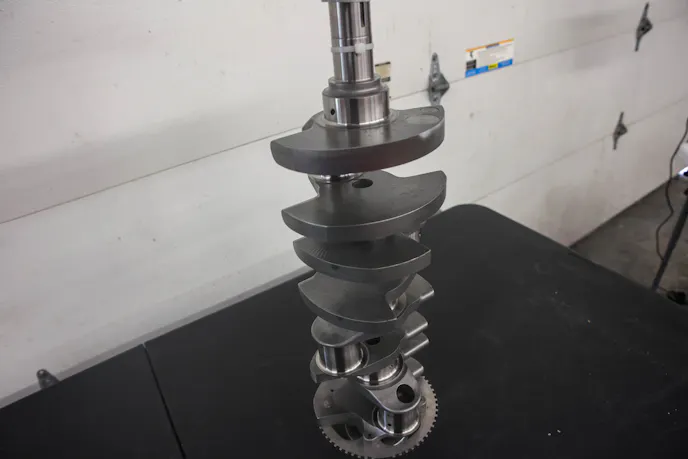
“Crank materials are a lot like hamburger meat, you’ll pay more for a quality product. A good crank is going to be made from a quality 4340 material, but there are key ingredients in the batch that make the crank stronger. The nickel and molybdenum content, along with how the crank is heat treated, all make a difference,” Piper says.
Why Counterweights Matter
One feature often overlooked when shopping for a crankshaft is the counterweight design.
Properly designed counterweights help stabilize the crankshaft under load, reducing flex and minimizing harmonic movement throughout the rotating assembly.
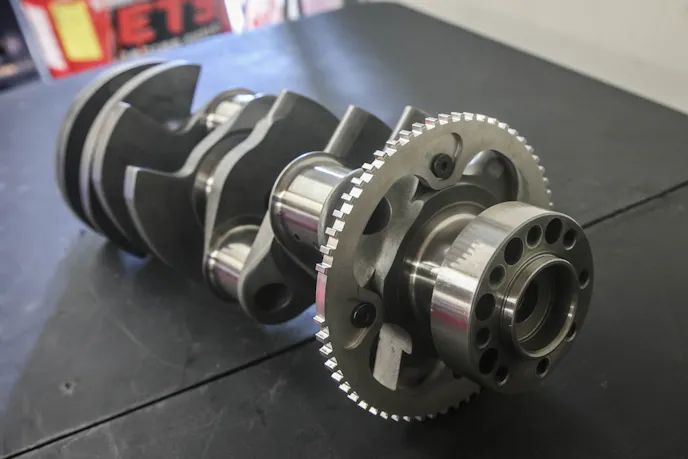
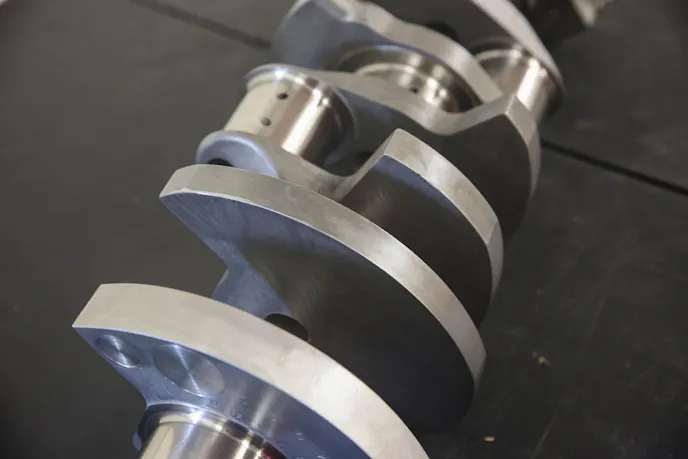
“Counterweights on a crank take away the inherent problem of the crankshaft trying to whip, flex, and just move around. The counterweights are placed where the crank sees load on the opposite side. This helps prevent the ‘jump rope’ effect when you’re really spinning a crank hard,” Piper explains.
For any serious boosted engine, properly engineered counterweights shouldn’t be considered optional, they’re a necessity.
Building A Reliable Boosted Rotating Assembly
Just because a crankshaft and connecting rods fit inside your engine block doesn’t mean they’re the right choice for a boosted application.
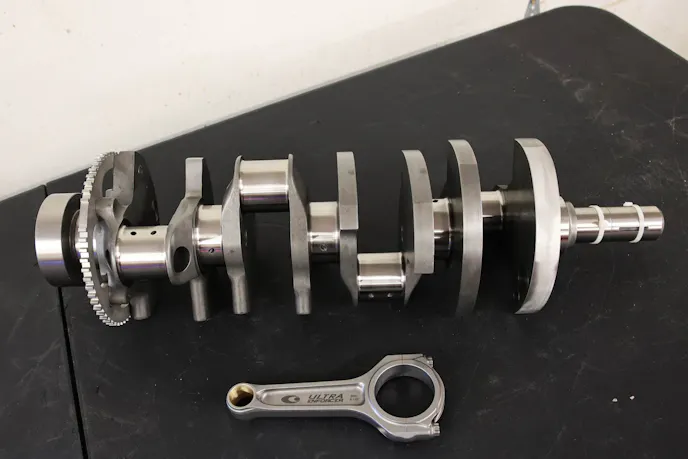
The ideal rotating assembly combines strength, durability, premium materials, and thoughtful engineering to withstand years of elevated boost and extreme cylinder pressure.
For Project Hustler’s 1,500-plus horsepower turbocharged Gen III HEMI, choosing premium Magnum Callies crankshaft and Ultra Enforcer I-beam connecting rods ensures the engine has a rotating assembly capable of handling everything Blackbird Performance plans to throw at it.
The Magnum crank we’re using has a 4.00″ stroke for our 426 cubic-inch Gen III HEMI mill. The crank is made from Callies’ proprietary 4340 material. A 2.559″ main and 2.100″ rod journal round out the build of our Magnum crank.
When you’re building a high-horsepower boosted engine, selecting the right crankshaft and connecting rods isn’t just about making power, it’s about building an engine that can reliably survive it.
You might also like
NHRA Outlaw Street 3.66 ET Limit Explained After Texas FallNationals Controversy
Contrary to what social media has said the NHRA didn't put an index cap on Outlaw Street. Here's the truth behind the 3.66 number.