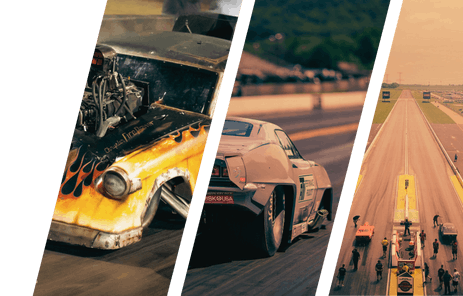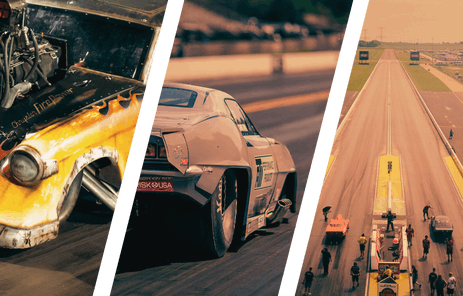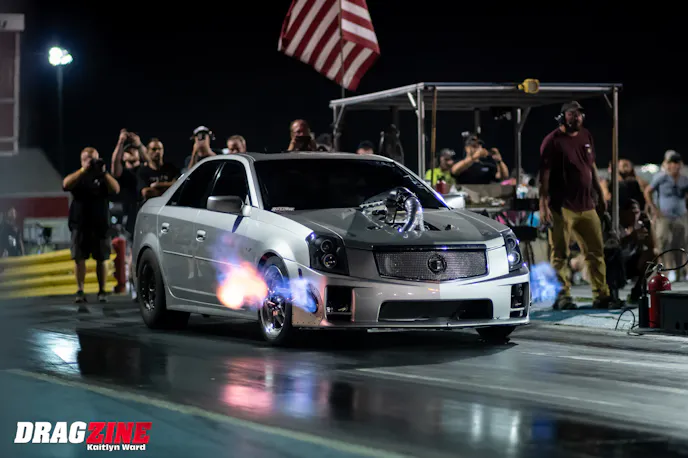
Outlaw Stick Shift (OSS) class racing has seen a spike in both popularity and performance. The top cars in the class now dip into the mid-six-second zone on a regular basis thanks to new technology. Well, there’s a new player in the H-pattern transmission world, and it has caused some major controversy, but is all the hubbub real or just internet outrage?
The rules that govern OSS class racing are pretty open, but to sum it up in simple terms, you need to use an H-pattern transmission with a clutch that’s manually operated by the driver’s foot. Now, what’s inside those transmissions, and how they’re built, is as open as the Wild West.
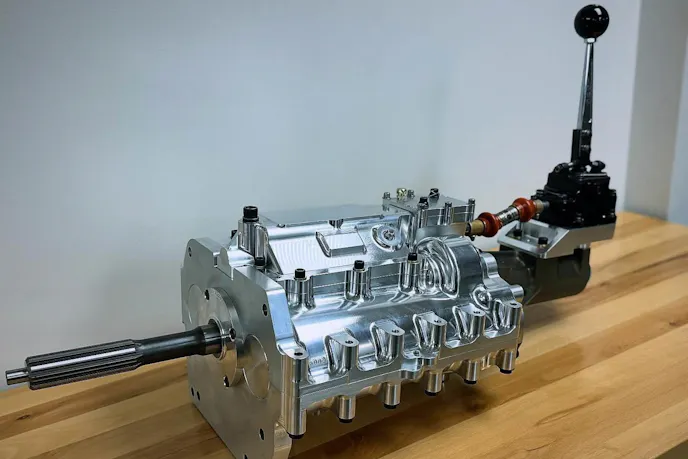

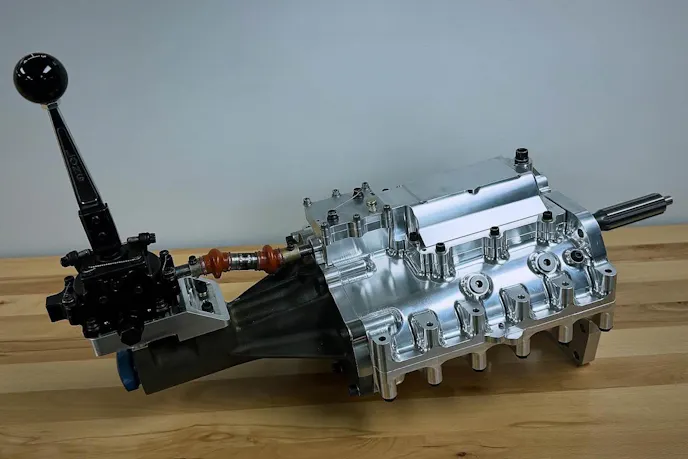
The standard transmission racers have relied on has been a highly modified T56-style unit. However, Liberty’s Gears has flipped the OSS class on its head with its version of an H-pattern transmission, the Liberty Equalizer. This transmission was designed to provide ultimate strength while supporting upwards of 4,000 horsepower. The unit also offers a nearly endless range of gear ratio combinations and was engineered to be easily serviced. The cost for this unit is $15,000, which might seem steep, but it’s on par with what a built T56 costs.
When Liberty’s Gears started teasing this transmission, the buzz ramped up in a hurry. After the official release of the Liberty Equalizer, social media lit up even more with debate about this new “cheater” H-pattern transmission and how it could impact the OSS class. There were also concerns that it could damage companies that sell built T56 transmissions. That concern was largely debunked by racers like Joel Grannas, who indicated that the majority of his transmission sales come from high-performance street cars, not OSS race cars.
The bigger concern is the progression of the class and where it’s headed. Both Grannas and Jonathan Atkins, driver of the “Grub Worm” Camaro, one of the quickest H-pattern cars in the world, discussed this on social media. The evolution of these builds has already started to strip away their “streetcar” DNA, and adding a transmission that was never offered in an OEM vehicle could be the final step in that transformation. The last thing racers want to see is the OSS class turn into even more of an arms race and head down the path that Radial vs The World has gone, high levels of performance with low car counts.
This begs the question, will rule makers and racers step in to draw a hard line in the sand on where the progression needs to stop in order to keep the spirit of the class intact?
According to Matt Goins at Tick Performance, what really has people talking is the price of this new unit.
“It’s common for guys to buy one T56 with a billet case and one with a cast case. The cast-case version is going to be in that $15,000 ballpark, and a billet case is another $4,000. There are several things to consider other than price, but that seems to be the current conversation piece over everything else.”
So, what does all of this mean? The OSS class could soon see a seismic shift in performance that might push some racers out and potentially stifle growth. The days of being a seven-second car and having a shot might be gone, but only time will tell.
One thing is certain: new technology and parts always reshape the world of drag racing. OSS could evolve into a true top-tier H-pattern class, where racers have the opportunity to see what their vehicles can do with fewer restrictions.
You might also like
NHRA Renews The GESi Pro Stock No 1 Qualifier Award
The NHRA officially renewed the lucrative GESi Pro Stock award. The fastest driver at every single event takes home a massive cash bonus.