As a drag racer, you’re always looking for new tuning tools and ways to increase control over what your race car does. If you’re racing a high-horsepower vehicle, wheel width plays a major role in how much control you have over the tire and how much traction is available. Let’s take a closer look at why wheel width is a key factor in how a tire behaves.
The Why Behind Wide Wheels
For a long time, racers were taught to run a narrow wheel with a wider tire to maximize sidewall and contact patch. That thinking led to popular combinations like a 10-inch-wide wheel with a 12-inch-wide tire. While this setup provides plenty of contact patch, it can reduce tire stability under power.
Shawn Riggsbee from RC Components explains why racers have started moving toward wider wheels in both slick and radial tire racing.
“We’ve seen this move toward wider wheels for high-horsepower applications over the past five or six years. When you go to a wider wheel and stretch the tire, it gives you more control by reducing instability. That really cuts down on the amount of tire shake a vehicle will experience,” Riggsbee says.
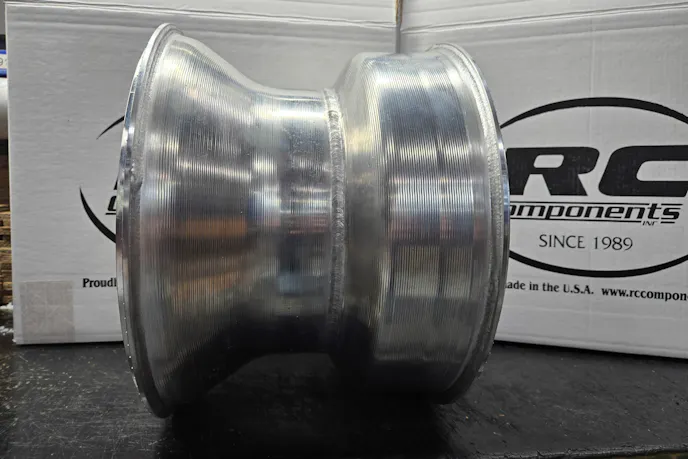
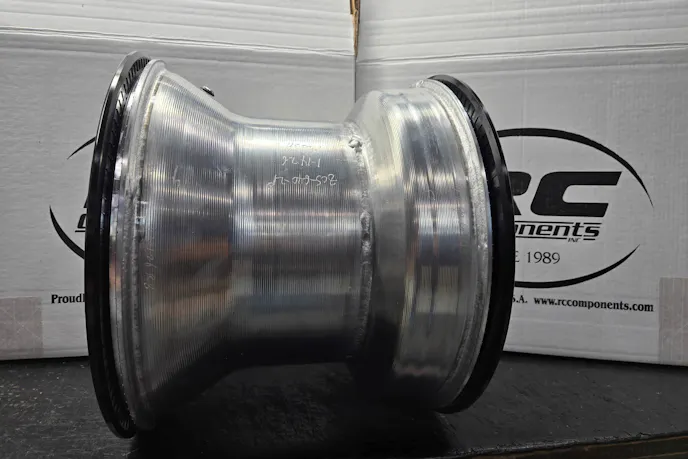
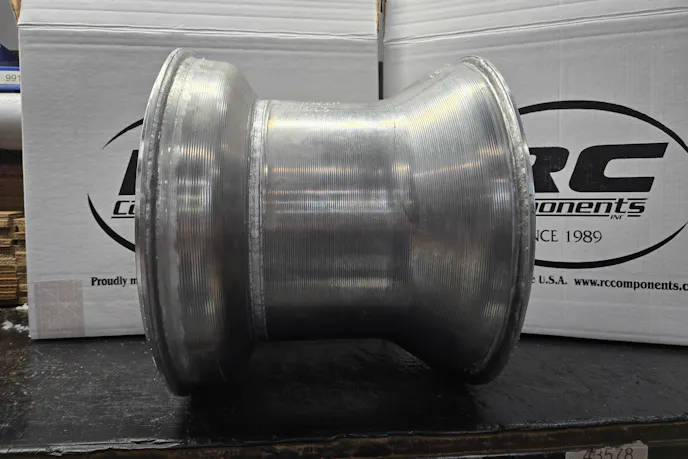
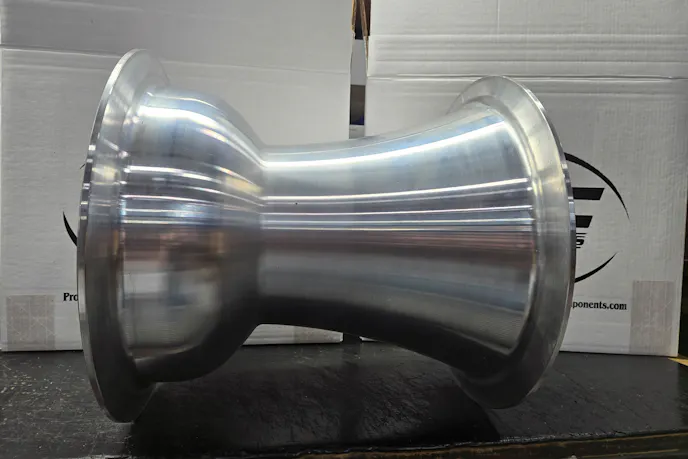
The team at RC Components has worked with drivers across multiple forms of drag racing to determine how wide a wheel can be run in different situations and what benefits those widths provide. Organizations like the PDRA, IHRA, and Radial Outlaw Racing Series don’t impose strict wheel-width limits like the NHRA. When you factor in the many tracks and promotions without wheel-width restrictions, RC Components has had plenty of opportunities to explore how far wheel widths can be pushed.
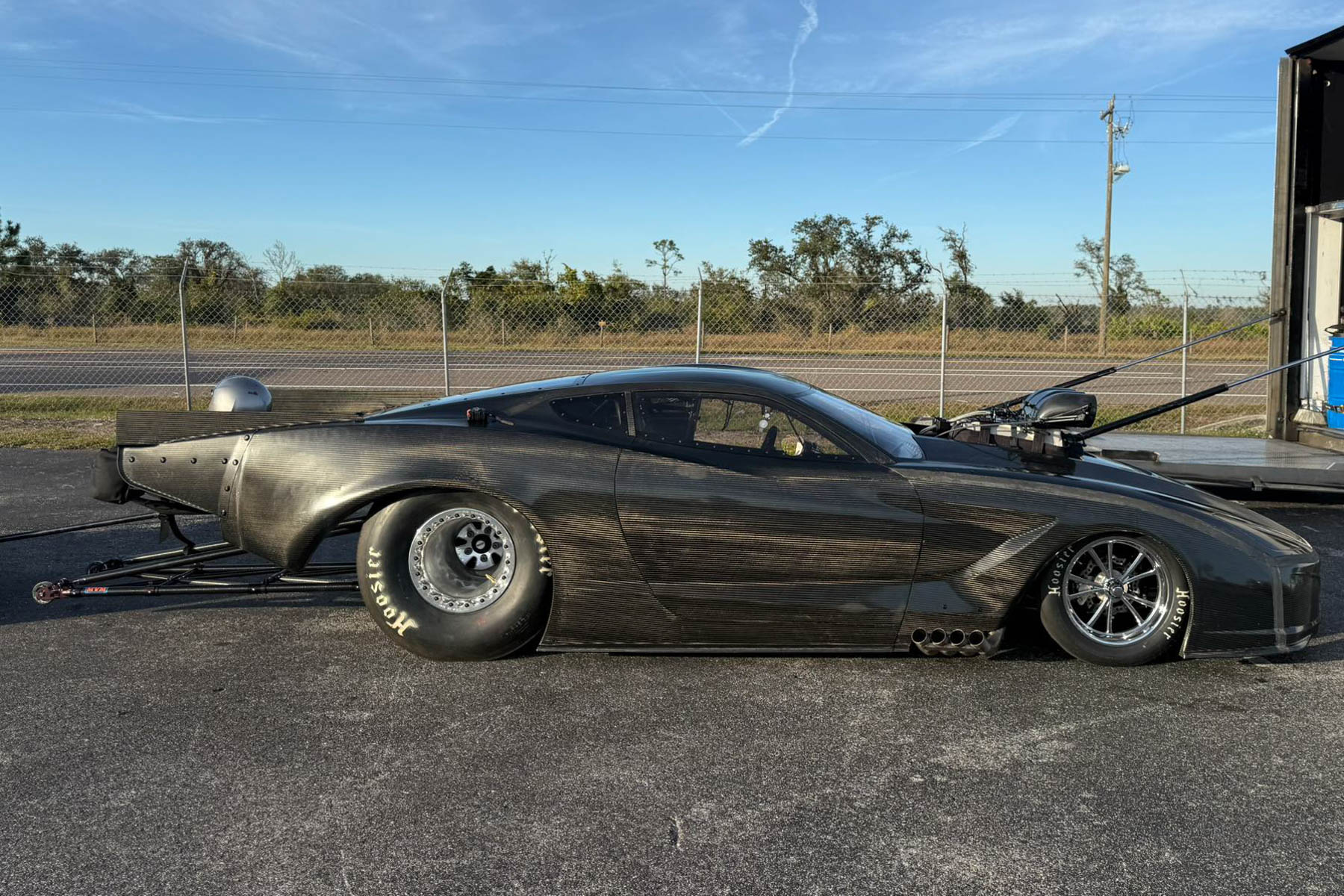
“For big slicks, like you’d see under a Pro Mod, we’ve found that an 18-inch-wide wheel is the sweet spot. If you’re running a 275 radial, a 13-inch-wide wheel is about as wide as you want to go. We’ve heard of some LDR racers going up to a 15-inch-wide wheel and having success. Alan Felts runs one of our 13-inch-wide wheels on his X275 car and consistently lays down 1.060 60-foot times, so we know that combination works,” Riggsbee explains.
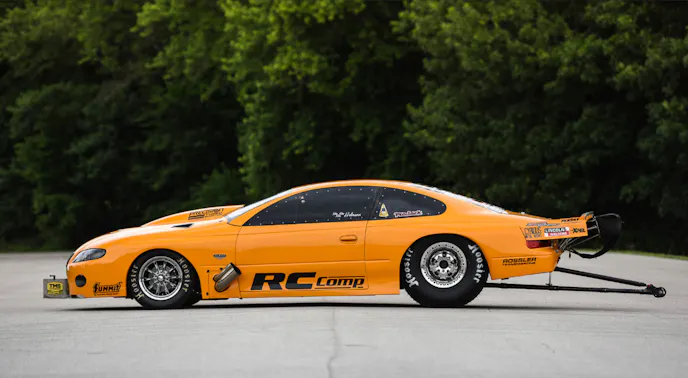
Riggsbee also detailed how wider wheels and tire stretch influence performance.
“With radials, a wider wheel lets you take advantage of higher air pressure. We’re starting to see racers run more air pressure, sometimes in the 20-psi range, when they move to wider wheels. That helps the tire hook better and reduces shake. Racers running slicks typically use lower air pressure because the tire grows. A wider wheel helps control that growth and reduces shake as well.”
Not Every Racer Needs Wide Wheels
At first glance, it might seem like every car at the drag strip should be running the widest wheel possible. However, that’s not always the case. Ultra-wide wheels don’t offer the same benefits for an average bracket racer as they do for a high-horsepower vehicle competing in a heads-up class.
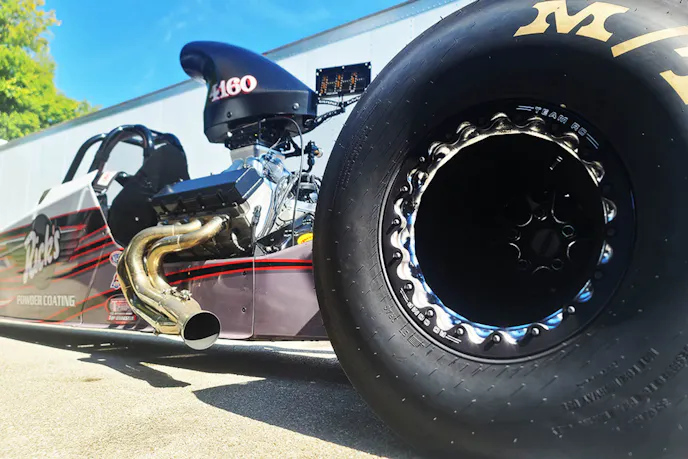
Bracket racers generally don’t operate at the extreme horsepower levels seen in heads-up racing, so wider wheels won’t provide the same performance advantages.
“Your average bracket racer is making around 800 horsepower or less. At that level, you don’t even need beadlock wheels. Bracket racers are focused on consistency, and most aren’t fighting tire shake. They need to concentrate more on keeping tire air pressure consistent than anything else,” Riggsbee says.
That said, bracket racers running higher-horsepower combinations could still benefit from wider wheels. Being able to better control tire shake or spin in classes like Top Sportsman or Top Dragster can improve consistency. Racers putting up big e.t. numbers in bracket competition may find value in a wider wheel setup.
Final Thoughts
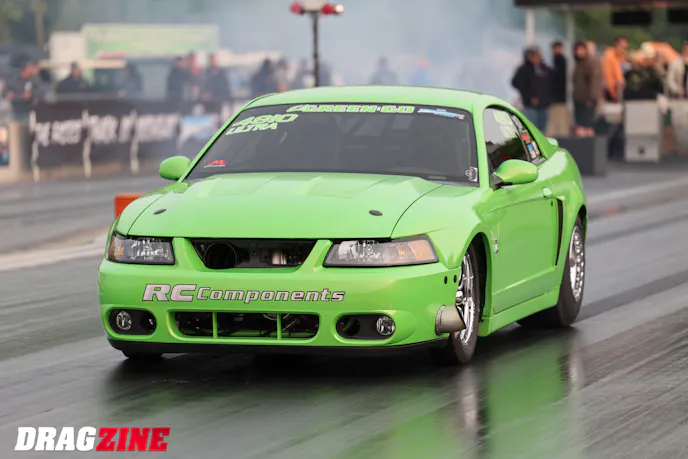
Wider wheels have gone from being a trend to becoming a staple in heads-up racing. Tuners at every level have seen the advantages of increased wheel width, and the results speak for themselves. Companies like RC Components have listened to racers and stepped up to meet those demands.
“We’ve made it a priority to listen to our racers and keep up with the demand for wider wheels. We now offer all of our hardcore drag racing wheels in these popular widths, along with double beadlock options so racers can get exactly what they need from the start. We can also build custom-width wheels to meet any racer’s requirements,” Riggsbee says.
If you’re planning to step up to a new, high-horsepower combination, it may be time to consider a wider set of wheels. The added width provides a larger tuning window, better tire control, and allows you to put more horsepower to the track surface.
You might also like
Ohio's Shuttered Pacemakers Dragway Set For Residential Redevelopment
Pacemakers Dragway in Ohio could be redeveloped into mobile homes after officials recommended rezoning part of the historic racing facility.