You can’t throw a bunch of random parts at a street/strip build and hope the combination will perform at a high level. This is especially true when you’re using a turbocharger as the power adder and need to select a torque converter. We sat down with Marty Chance from Neal Chance Racing Converters and Bubba Rafferty from The Perfect Converter Company to learn what goes into picking the right converter for a turbo street/strip build.
Knowing Your Goals Makes It Easier
When big-horsepower turbo combinations first started hitting the streets, there wasn’t much data available to build optimized torque converters. Thankfully, that’s changed. What hasn’t changed is the importance of knowing and being realistic about your project’s goals when selecting a torque converter. There’s a certain level of compromise that must be accepted if you want a combination that can be driven on the street while still making solid power at the track.
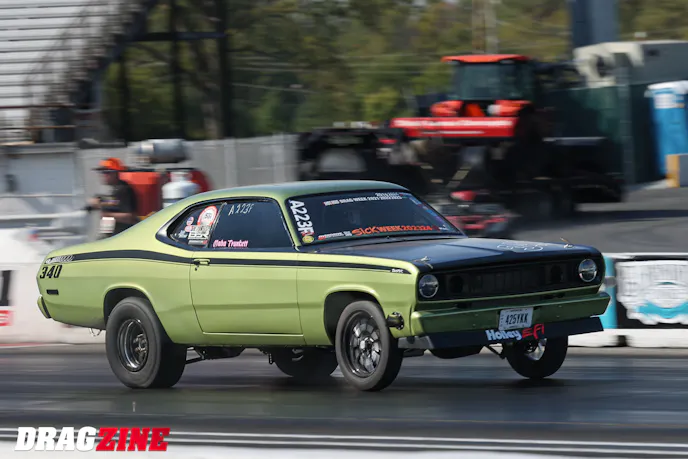
“When someone wants a street/strip torque converter for a turbo application, I try to get a feel for what their plans are for the project,” Rafferty says. “A lot of guys will tell you they want it to drive well on the street, but they also want it to work at the track. Well, you’re asking for two different things there. It’s very hard to build what some might call a utility torque converter for a turbo application.”
What it boils down to is that you can either have a torque converter that’s more street-friendly or one that’s more race-ready—not one that perfectly checks both boxes. Understanding that a compromise will be required greatly increases your chances of getting a converter that works well with your turbo combination.
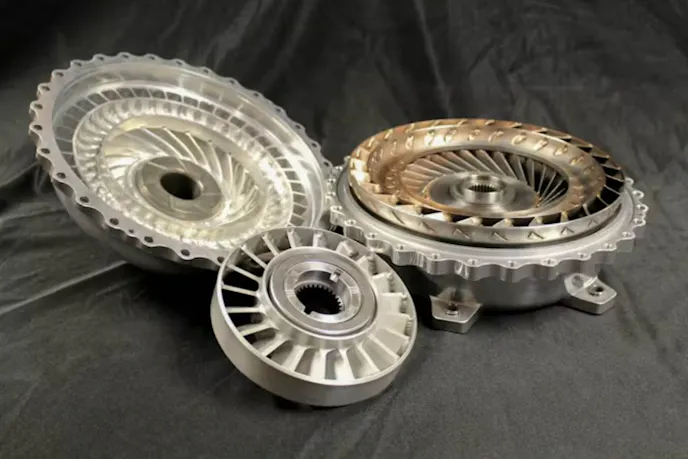
“I wish I had a magic wand that could build a torque converter with the best of both worlds for a turbo street/strip car,” Chance says. “There are just so many factors that play into building a torque converter for a turbo car. I really try to work with the customer to understand what they want to do and explain how that will impact the converter, how it will drive on the street, and how it will perform at the track. When they know what they want up front, it makes the whole process easier.”
Cams, Turbos, and Torque Converters, Oh My!
A big misconception is that a combination that’s nearly identical to someone else’s will deliver the same horsepower and performance. The reality is that even minor differences—such as turbo system design or flange style—can significantly impact how everything performs. That effect trickles down to the torque converter and how it reacts to the overall combination.
Performance is ultimately tied to how the camshaft, turbocharger, and torque converter interact. The wrong camshaft can make it difficult for the turbo and converter to work together and build boost efficiently.
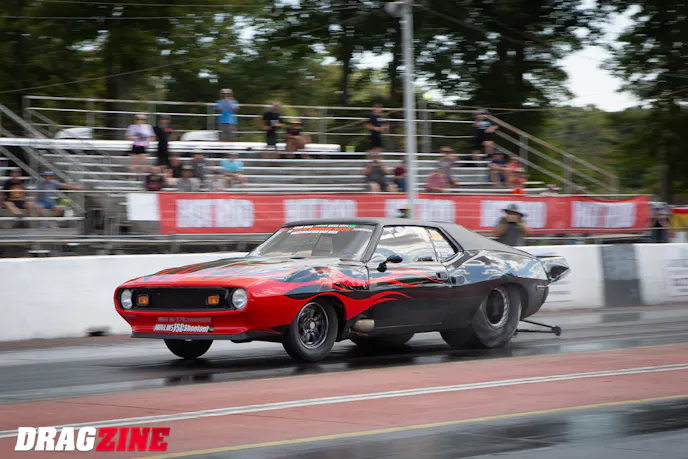
“For a turbo car that’s going to be driven on the street and see track time, I like to design a converter that offers good throttle response and gets up on boost quickly,” Chance explains. “You don’t want excessive slippage in the converter. That’s why the camshaft plays such an important role and needs to be matched to the combination. The cam dictates how the engine behaves, then you can properly select the turbo and converter.”
Selecting the right camshaft for a turbo street/strip build can be a delicate balancing act. Engine size and turbo size dictate many of the available options, which is why having a clear horsepower goal is critical. That ensures the engine builder and torque converter company are all on the same page.
“The size of the engine really sets the tone for the converter, and the cam plays into that,” Rafferty says. “We need to figure out where the cam is going to be happy and help make power for the boosted application. If it’s a street/strip car, that also influences how we design the converter, since it needs to work with the cam to remain drivable on the street. Everything has to work together, or the combo isn’t going to perform.”
Drag-and-Drive Torque Converters
The popularity of drag-and-drive events has exploded in recent years, with many racers choosing turbos as their power adder. These events push vehicles to their absolute limits, making it critical to have a torque converter optimized for sustained abuse.
Heat is the biggest enemy of both torque converters and transmissions. The long drives between tracks during drag-and-drive events expose converters to extreme heat. For turbo applications, minimizing converter slippage and cruising at lower RPM on the highway helps keep heat under control.
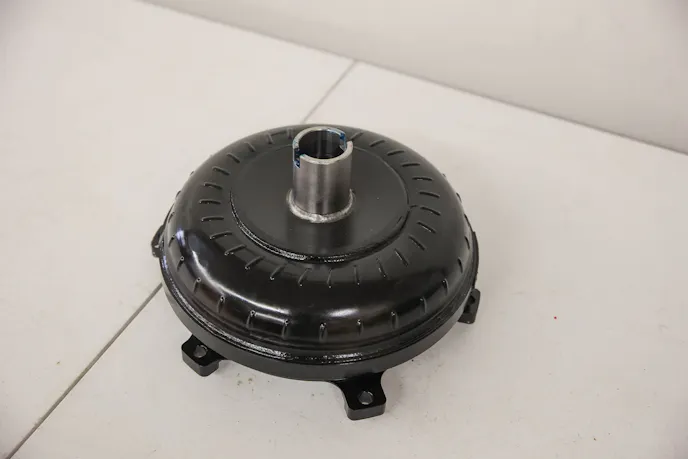
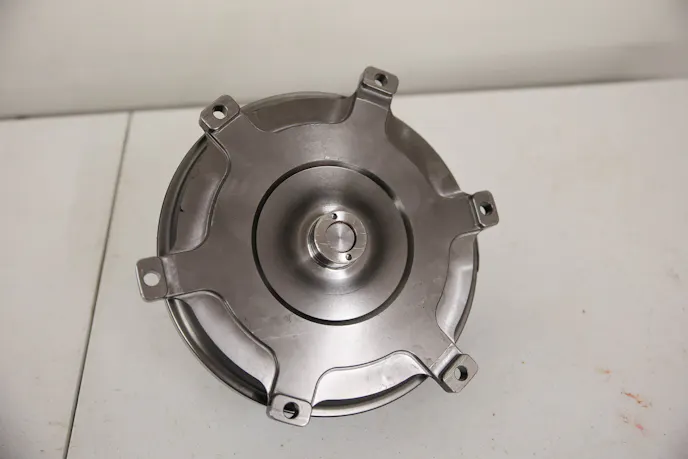
“Your typical drag-and-drive racer with a turbo combination needs a converter designed for durability and drivability,” Rafferty explains. “These cars log a lot of street miles, so you don’t want something that’s going to create excessive heat in the transmission. That usually means a less aggressive converter that might give up a little performance at the track, but it ensures the car will finish the event.”
Many drag-and-drive racers also pull small trailers between tracks, which further changes the demands placed on the torque converter. Converter builders need to know this upfront so it can be factored into the design.
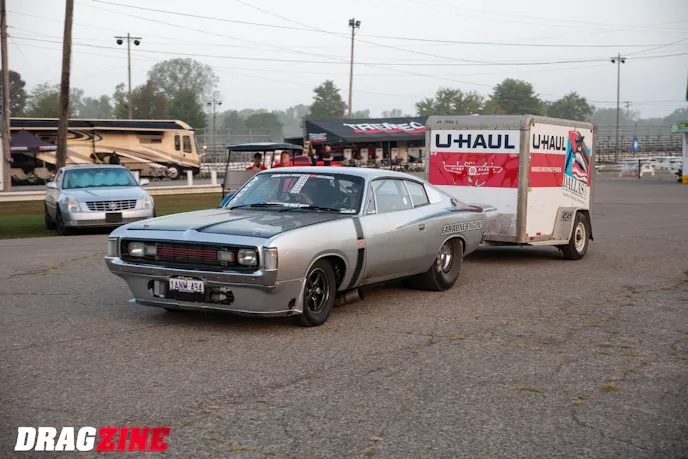
“When you pull a trailer, it introduces more slippage into the converter,” Chance says. “You have to design the converter with a vortex flow that can handle that load at low RPM. Speed creates efficiency in a non-lockup converter, but when you’re cruising at low RPM with a full load, you still need to transfer power efficiently without creating excessive heat.”
If you’re planning a turbocharged street/strip build, investing in a custom torque converter is essential. Grabbing a random converter off Facebook Marketplace is a recipe for disappointment—both at the track and on the street. The right converter ties the entire combination together and allows every component to work in harmony.
You might also like
The Beauty Of Racing: Photo Coverage From Lights Out 17
There's always so much to see at any Lights Out event. You'll want to check out this photo gallery that shows off how epic these events are.